



Culture of care education for healthcare organizations
In today’s healthcare landscape, disparities in care and workplace dynamics pose significant challenges, impacting safety, retention, and patient outcomes. HealthStream Culture of Care bridges this gap by providing practical education designed to improve culturally competent care and healthcare workplace culture.
.png)
Improve healthcare workplace culture & patient care
From scenario-based training to tailored onboarding resources, this solution is where culture meets care excellence—ensuring lasting impact aligned to your organization’s mission.


.svg)
Healthcare workforce culture & patient-centered care education
HealthStream Culture of Care offers a comprehensive learning ecosystem that seamlessly integrates culturally competent care and workplace excellence through the innovative hStream platform.

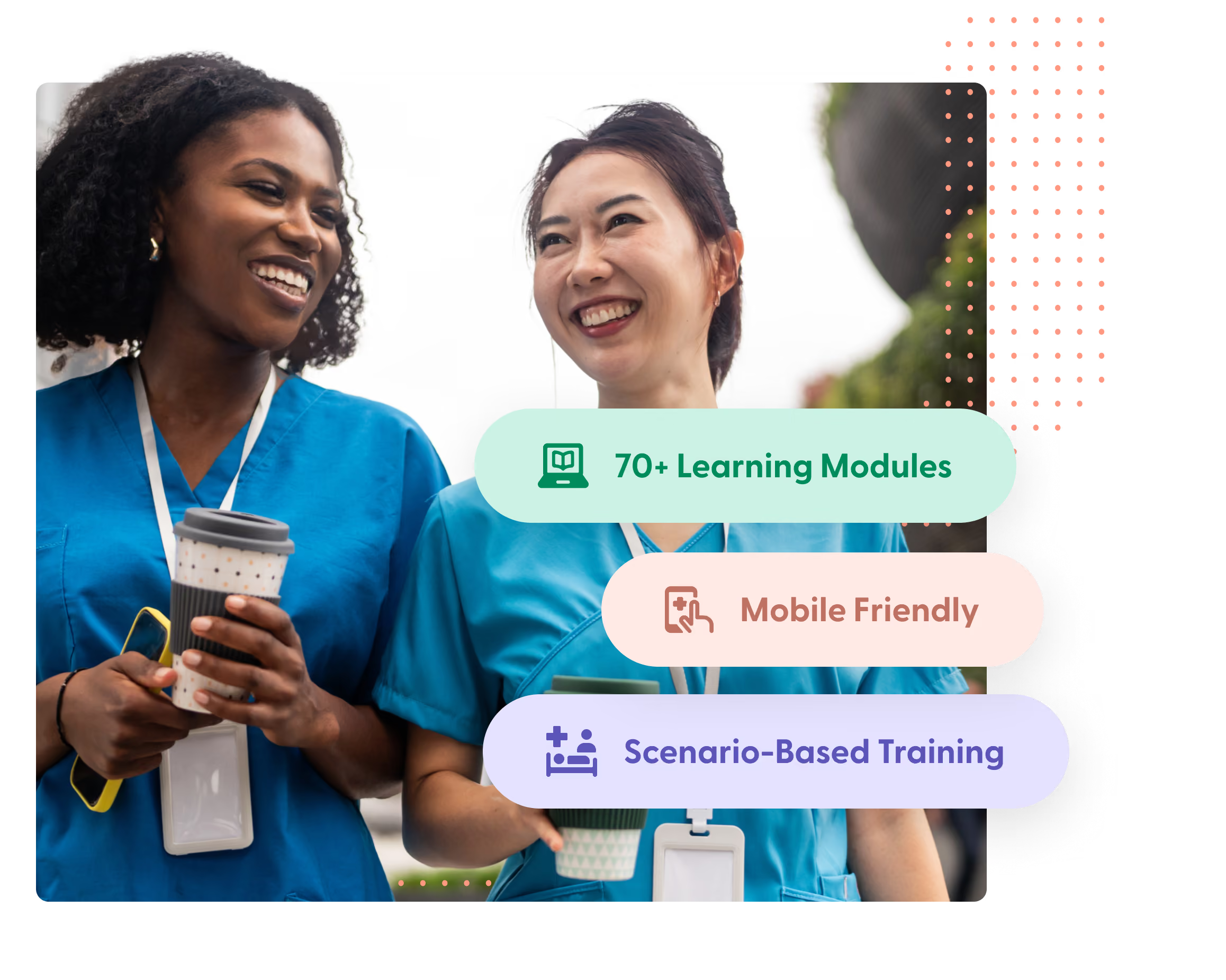
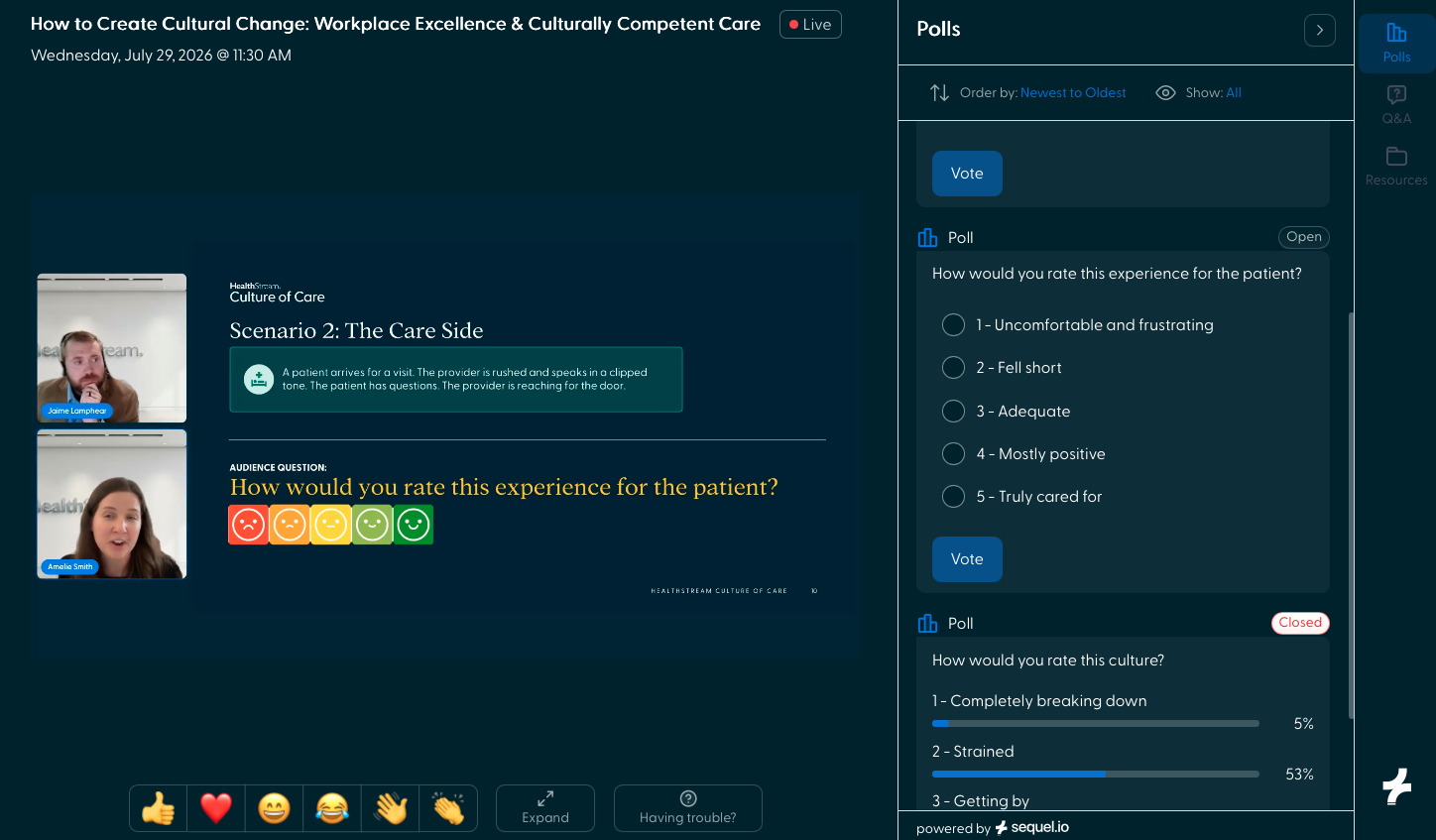
Engaging, scenario-based training designed to improve culturally competent care and workplace excellence.
.svg)
Continuously updated content created by nationally recognized leaders in care disparities, workplace culture, and regulatory requirements.
.avif)
.png)
Courses tailored to meet state requirements for unconscious bias and inclusivity training, ensuring staff are prepared and compliant.

.svg)
Exclusive access to HealthStream Community where leaders access best practices, tools, and resources to foster safer workplaces and better care.
.avif)
.svg)
Self-serve resources, including guides, templates, and curated content, to ensure a smooth and effective program launch.
.svg)
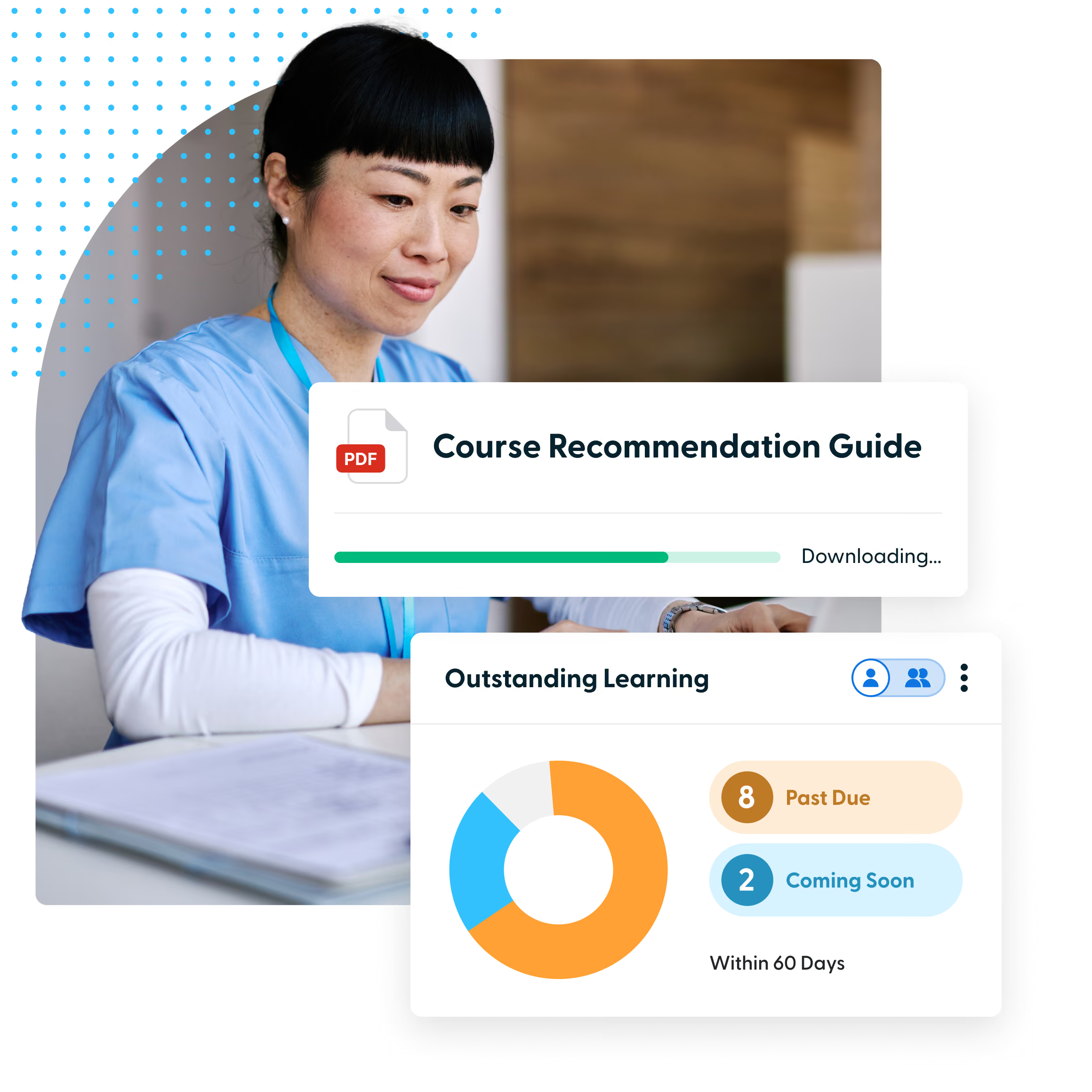
Monitor course completions for compliance (e.g., Implicit Bias) or progress towards strategic goals like patient/resident satisfaction.
.avif)


40% of patients say their provider showed bias through attitude, words, or actions
When culture breaks down, safety risks rise, trust erodes, and care outcomes suffer. When education prioritizes culturally competent care and workplace excellence, confident teams make mission-driven care possible.
Who uses Culture of Care?
Built for teams driving workplace inclusivity & culturally competent care

HR & People Leaders
Build inclusive teams delivering culturally competent care.
.avif)
Clinical Care Teams
Strengthen inclusive care delivery across diverse patient populations.

Compliance Leaders
Reduce implicit bias risks and strengthen compliance readiness.
%20(1).avif)
All Staff
Deliver respectful, inclusive care across every patient interaction.
Increase your impact
Experience compounding benefits with additional tailored solutions.

.avif)
.avif)

Culture - powered by hStream
Bring it all together with seamless access to the largest healthcare content marketplace, exclusive applications, specialized tools, and significant subscriber discounts.
Frequently asked questions
What is a culture of care in healthcare?
A culture of care in healthcare is a healthcare workplace culture that prioritizes compassionate, patient-centered care while supporting employee wellbeing, communication, trust, and psychological safety across the organization. Strong healthcare workforce culture helps staff feel valued, respected, and equipped to deliver safe, inclusive care experiences for diverse patient populations. Organizations build this culture through healthcare culture training, culturally competent care training, healthcare communication training, and healthcare leadership development focused on empathy, collaboration, and accountability.
Healthcare organizations invest in culture of care education to improve healthcare employee engagement, reduce burnout and turnover, strengthen retention, and support better patient outcomes. Training programs focused on implicit bias education, compassionate care training, culture of safety in healthcare, and inclusive workplace healthcare practices help teams improve communication, strengthen compliance and safety culture, and create more positive patient experiences. These healthcare staff retention solutions also support onboarding, leadership training, and long-term workforce resilience.
Why is workplace culture important in healthcare?
Workplace culture is important in healthcare because it directly impacts patient experience, employee wellbeing, communication, safety, and staff retention. A strong healthcare workplace culture helps teams collaborate effectively, build trust, reduce burnout, and create psychologically safe environments where employees feel supported speaking up about concerns or risks. Positive healthcare workforce culture also strengthens employee engagement and helps organizations deliver more compassionate, patient-centered care across every department and care setting.
Healthcare organizations invest in healthcare culture training and healthcare leadership training because workplace culture influences clinical outcomes, compliance, turnover reduction, and long-term workforce stability. Programs focused on culturally competent care training, implicit bias education, healthcare communication training, and culture of safety in healthcare help staff improve collaboration, support inclusive workplace healthcare practices, and strengthen patient interactions. Organizations with strong workplace cultures are often better positioned to improve healthcare patient experience, support employee wellbeing in healthcare, and retain skilled staff in high-stress care environments.
How does culture impact patient outcomes?
Healthcare workplace culture has a direct impact on patient outcomes because it influences communication, teamwork, trust, safety, and the consistency of care delivery. A positive culture of care in healthcare helps employees collaborate more effectively, communicate clearly, and respond to patient needs with empathy and respect. Organizations that invest in healthcare culture training, compassionate care training, and patient-centered care education are better equipped to create supportive environments that improve patient experience, reduce errors, and strengthen care quality across diverse populations.
Strong healthcare workforce culture also supports culturally competent care, psychological safety in healthcare, and employee wellbeing, all of which contribute to better clinical and operational outcomes. Training focused on implicit bias education, healthcare communication training, and inclusive workplace healthcare practices can help staff build stronger patient relationships, improve care coordination, and deliver safer, more equitable care. Healthcare organizations that prioritize culture often see improvements in patient satisfaction, staff retention, burnout prevention, safety culture, and overall healthcare patient experience improvement.
What is culturally competent care?
Culturally competent care is the ability for healthcare professionals to deliver respectful, patient-centered care that recognizes and responds to the cultural backgrounds, beliefs, communication preferences, and unique needs of diverse patient populations. Culturally competent care training helps healthcare staff improve communication, reduce misunderstandings, address implicit bias, and create more inclusive patient experiences. This type of patient-centered care education supports stronger relationships between patients and care teams while helping organizations build a more inclusive healthcare workplace culture.
Healthcare organizations invest in culturally competent care training as part of broader healthcare culture training and healthcare leadership development initiatives focused on improving patient outcomes, employee engagement, and trust. Training programs often include compassionate care training, healthcare communication training, implicit bias education, and psychological safety in healthcare to help teams provide equitable, respectful care across all care settings. Strengthening culturally competent care can also support compliance goals, improve healthcare patient experience, reduce disparities, and reinforce a strong culture of safety in healthcare.
How can healthcare organizations improve employee belonging?
Healthcare organizations can improve employee belonging by intentionally building a healthcare workplace culture rooted in trust, respect, inclusion, and psychological safety. When staff feel seen, heard, and valued, healthcare employee engagement improves, communication becomes more effective, and teams are better able to collaborate in high-pressure environments. Healthcare culture training and patient-centered care education also reinforce shared expectations around compassion, teamwork, and accountability, helping employees feel connected to both their peers and the organization’s mission.
Improving belonging also requires targeted healthcare leadership training and culturally competent care training that addresses implicit bias education, inclusive workplace healthcare practices, and healthcare communication training. These efforts strengthen healthcare workforce culture by reducing burnout, improving healthcare staff retention solutions, and supporting employee wellbeing healthcare initiatives. Organizations that prioritize a culture of care in healthcare and culture of safety healthcare frameworks are better positioned to build long-term trust, improve retention, and enhance both employee experience and healthcare patient experience improvement.
How does culture training support retention?
Culture training supports retention by strengthening healthcare workplace culture, improving employee engagement, and creating environments where staff feel supported, respected, and aligned with organizational values. Healthcare culture training helps teams build trust, improve communication, and reduce workplace friction, all of which contribute to lower turnover and a stronger sense of belonging. When employees experience a consistent culture of care in healthcare, they are more likely to stay, grow, and contribute to better patient-centered care outcomes.
Healthcare organizations use healthcare leadership training, culturally competent care training, and implicit bias education to reinforce inclusive workplace healthcare practices and improve psychological safety in healthcare environments. These programs support healthcare staff retention solutions by reducing burnout, improving employee wellbeing healthcare, and strengthening healthcare communication training across teams. As a result, organizations see improved retention, stronger safety culture healthcare practices, and more stable healthcare workforce culture that ultimately enhances both patient experience and long-term organizational performance.
What training supports compassionate patient or resident care?
Training that supports compassionate patient or resident care includes healthcare culture training, culturally competent care training, and patient-centered care education that help staff build empathy, trust, and strong communication with diverse populations. These programs strengthen healthcare workplace culture by reinforcing respectful interactions, improving healthcare communication training, and helping teams better understand patient needs, preferences, and lived experiences. A strong culture of care in healthcare ensures that compassion is consistently demonstrated across all care settings.
Healthcare organizations also rely on healthcare leadership training, implicit bias education, and compassionate care training to reinforce inclusive workplace healthcare practices and improve healthcare employee engagement. Additional focus on psychological safety in healthcare, employee wellbeing healthcare, and healthcare onboarding education helps staff feel supported while delivering high-quality care. Together, these training programs strengthen healthcare workforce culture, improve healthcare patient experience improvement, and support safer, more consistent, and more empathetic care delivery for patients and residents.
How can healthcare leaders improve workplace culture?
Healthcare leaders can improve workplace culture by intentionally shaping a healthcare workplace culture grounded in trust, accountability, inclusion, and psychological safety. Through healthcare culture training and healthcare leadership training, leaders can set clear expectations for communication, collaboration, and respectful behavior while reinforcing a culture of care in healthcare that supports both staff and patients. Strong leadership directly influences healthcare employee engagement, employee wellbeing healthcare, and overall healthcare workforce culture.
To drive lasting improvement, leaders should implement culturally competent care training, implicit bias education, and healthcare communication training to strengthen inclusive workplace healthcare practices. These efforts improve patient-centered care education, reduce burnout, and support healthcare staff retention solutions by creating environments where employees feel valued and supported. When leaders prioritize safety culture healthcare, compassion, and consistency, organizations see improvements in retention, patient experience, and long-term healthcare patient experience improvement across the system.


Closing the Gap: Using Quality Management and Culture Education to Tackle Healthcare Disparities
Healthcare disparities aren’t new, but they are increasingly impossible to ignore. From uneven outcomes in chronic disease to unequal access to care, these gaps in the healthcare system impact not only patients but also the providers who care for them. Cultural factors often deepen these divides, with language barriers, mistrust of the medical system, traditional health beliefs, and differing attitudes toward care all playing a role.
Why Black Women Face the Highest Maternal Mortality Rate in America
The United States has been dealing with a significant maternal care crisis for decades. Despite medical advancements, the country continues to see a troubling number of women dying from complications related to pregnancy or childbirth. However, this issue does not affect all demographics equally. The data paints a clear picture of racial disparities within healthcare. Black pregnant women experience significantly worse outcomes than their white counterparts, highlighting deep-rooted issues in how maternal care is delivered and accessed.
Top compliance solutions for healthcare organizations that boost safety
Healthcare compliance requires balancing complex regulations with the delivery of high-quality patient care. Compliance leaders face the demanding task of managing these requirements across multiple departments, facilities, and care settings. Choosing the right compliance solutions for healthcare organizations simplifies this complexity. The right software reduces organizational risk and helps build a proactive culture of safety. This guide outlines the essential features to look for in a top-tier compliance solution.
Empowering Healthcare Leaders at Every Stage
In a world where every decision can impact lives, strong leadership at every career stage in healthcare is critical. Whether navigating the early uncertainty of a first management role or steering an organization through transformation, healthcare leaders need support tailored to their specific leadership stage.
Support culturally competent and compassionate care
Fostering inclusivity and culturally competent care requires modern education from a trusted partner.
HealthStream is here to help you:
- Stay ahead of regulatory requirements with expert-led training
- Equip staff to deliver culturally competent care
- Foster a culture of safety and inclusivity
- Drive consistent, measurable improvements in workplace culture & patient and resident outcomes