


Improve patient safety, reduce risk, and drive measurable healthcare quality improvement
Fewer preventable errors, stronger quality performance, and safer patient care across every level of your healthcare organization.


Explore healthcare quality and safety solutions
Purpose-built solutions that help healthcare teams reduce preventable risks, strengthen workforce competency, and improve quality of care.





Drive quality improvement in long-term care
From survey readiness to quality measures, long-term care faces mounting demands. HealthStream helps skilled nursing teams streamline QAPI, track improvement plans, and strengthen care quality.
Quality management software for healthcare organizations
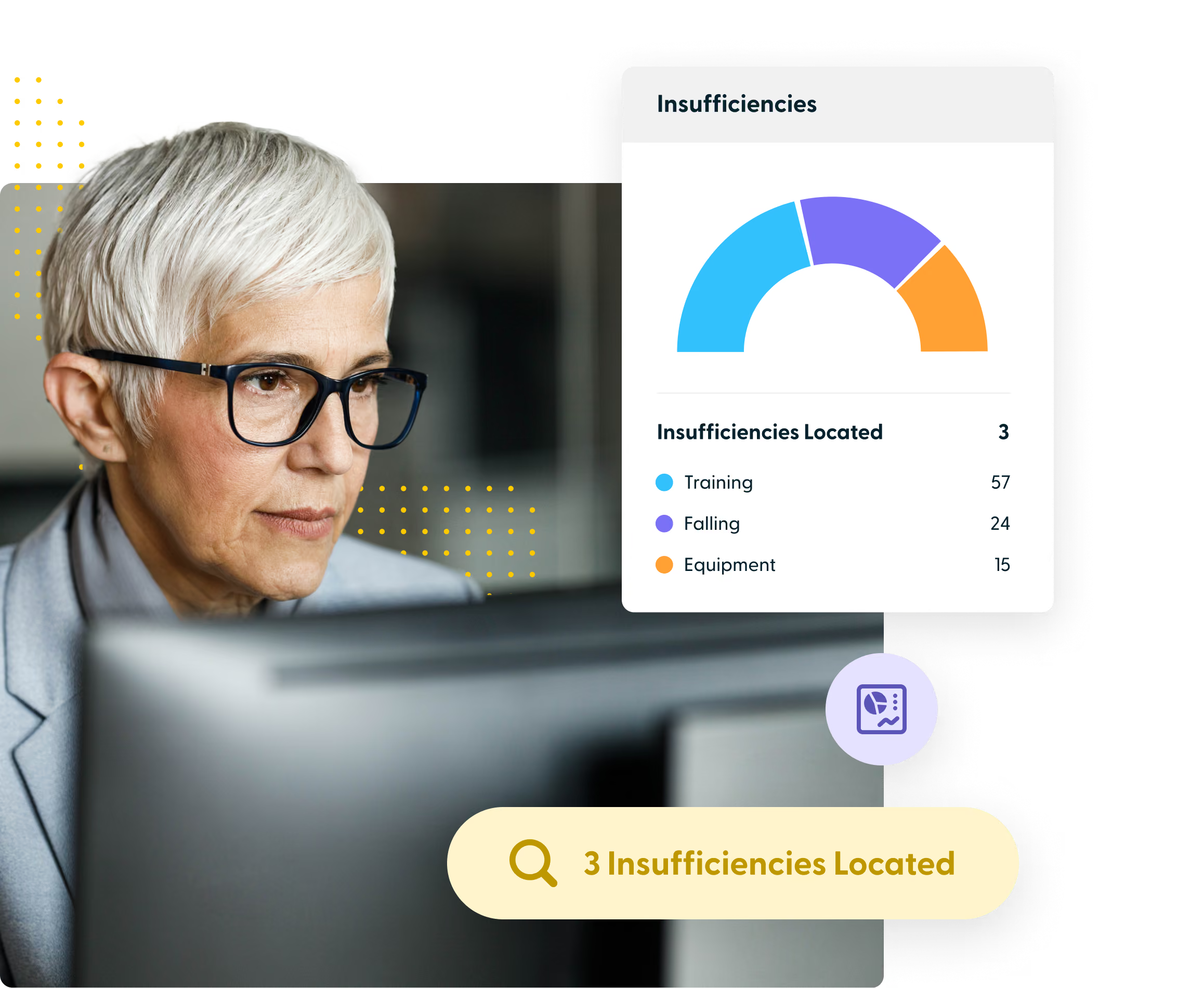
HealthStream Quality Manager transforms quality management by bringing survey readiness, quality improvement, performance monitoring, risk identification, and regulatory compliance into one centralized solution.

Quality & Safety—powered by hStream
Bring it all together with seamless access to the largest healthcare content marketplace, exclusive applications, specialized tools, and significant subscriber discounts.
Frequently asked questions
Building a safer healthcare environment starts with informed teams, consistent quality improvement, and a shared commitment to better patient outcomes.
What are the National Patient Safety Goals?
The National Patient Safety Goals (NPSGs), established by The Joint Commission, are standards designed to address common patient safety risks and improve the quality of care in accredited healthcare organizations. These goals focus on critical areas such as patient identification, communication, medication safety, infection prevention, and other priorities that vary by care setting and accreditation program. Meeting applicable patient safety requirements calls for ongoing workforce education, consistent safety practices, and a commitment to continuous quality improvement in healthcare. With over 30 years of healthcare expertise, HealthStream supports healthcare quality and safety through expert-developed patient safety training, role-specific education, and innovative learning solutions that help organizations reinforce safe care practices. These capabilities help healthcare leaders strengthen workforce competency, reduce preventable risks, and build a sustainable culture of patient safety.
How can healthcare organizations improve patient safety?
Healthcare organizations can improve patient safety by reducing preventable medical errors, strengthening workforce competency, and establishing consistent, evidence-based care practices. An effective healthcare quality and safety program combines ongoing patient safety training, proactive risk identification, performance monitoring, and continuous quality improvement to address gaps in care. With over 30 years of healthcare expertise, HealthStream supports these efforts through innovative patient safety education, role-specific training, and quality management tools that help healthcare teams identify risks, improve performance, and maintain accountability. These capabilities help healthcare leaders foster a culture of safety, improve patient experiences, and drive more consistent, high-quality care across their organizations.
What is patient safety education?
Patient safety education equips healthcare professionals with the knowledge, skills, and best practices needed to prevent medical errors, identify potential risks, and deliver safe, high-quality care. Effective patient safety training addresses critical topics such as infection prevention, medication safety, communication, and risk management while reinforcing a culture of accountability and continuous quality improvement in healthcare. With over 30 years of healthcare expertise, HealthStream supports healthcare quality and safety through expert-developed education, adaptive learning, and role-specific training designed to address evolving patient safety challenges. These capabilities help healthcare organizations strengthen workforce competency, reduce unnecessary training time, and promote consistent, evidence-based care practices. By making patient safety education an ongoing priority, healthcare leaders can better protect patients, improve quality outcomes, and build a more resilient culture of safety.
What is a quality management system in healthcare?
A quality management system in healthcare is a structured approach to monitoring performance, identifying opportunities for improvement, and maintaining consistent standards of patient care and safety. Effective healthcare quality management combines performance measurement, risk assessments, corrective action planning, and continuous quality improvement to strengthen clinical outcomes and organizational accountability. HealthStream supports healthcare quality and safety through Quality Manager, a purpose-built solution for skilled nursing facilities that simplifies Quality Assurance and Performance Improvement (QAPI) planning, performance improvement plans, facility assessments, and mock surveys. These capabilities help long-term care leaders reduce administrative burden, strengthen survey readiness, and make more informed decisions about quality performance. By integrating quality improvement into daily operations, healthcare organizations can better address care gaps, support regulatory requirements, and deliver safer, more consistent patient care.
What is continuous quality improvement in healthcare?
Continuous quality improvement (CQI) in healthcare is an ongoing, data-driven approach to evaluating care processes, identifying performance gaps, and implementing measurable improvements in patient safety and quality outcomes. Unlike one-time corrective actions, continuous quality improvement in healthcare emphasizes regular performance monitoring, staff engagement, and evidence-based practices to sustain meaningful progress over time. An effective healthcare quality and safety program combines patient safety education, performance measurement, and organizational accountability to help teams identify risks and improve care delivery. HealthStream supports these efforts through targeted workforce education and Quality Manager, which helps skilled nursing facilities streamline Quality Assurance and Performance Improvement (QAPI) planning, track improvement initiatives, and prepare for regulatory surveys. Together, these capabilities help healthcare leaders strengthen quality performance, reduce preventable risks, and build a lasting culture of safety and continuous improvement.


The Importance of Facility Assessments in Skilled Nursing Facilities
Investing in a dependable system like HealthStream’s Quality Manager can be a game-changer for skilled nursing facilities, ensuring that leaders can allocate their time and resources efficiently while maintaining compliance and enhancing the quality of care provided to residents.
Strengthen patient safety and drive better quality outcomes
HealthStream helps healthcare organizations reduce preventable risks, improve quality performance, and protect operational efficiency through:
Reducing administrative burden and costs associated with preventable errors.
- Reinforcing safer care practices with targeted workforce education.
- Tracking performance gaps and streamline QAPI improvement plans.
- Simplifying quality assessments, documentation, and reporting.
- Reducing administrative burden and costs associated with preventable errors.