HealthStream® Compliance Suite is a single solution designed to help you train your workforce and implement policy changes—without falling behind on fast-moving regulations. Our innovative technology supports healthcare regulatory compliance for CMS, OSHA, HHS and HIPAA, helping you build a culture of high reliability.
Our unified healthcare compliance solution delivers the tools your teams need for transparency, role-based accountability, and confidence in your healthcare compliance program.
Replace disconnected compliance tools with a healthcare regulatory compliance platform that unifies HIPAA compliance software, policy governance, CMS compliance education, OSHA compliance healthcare requirements, and enterprise reporting - all from one unified solution.
.svg)
24/7 regulatory tracking, expert-guided updates, and quarterly communications to keep teams current on federal and state requirements.

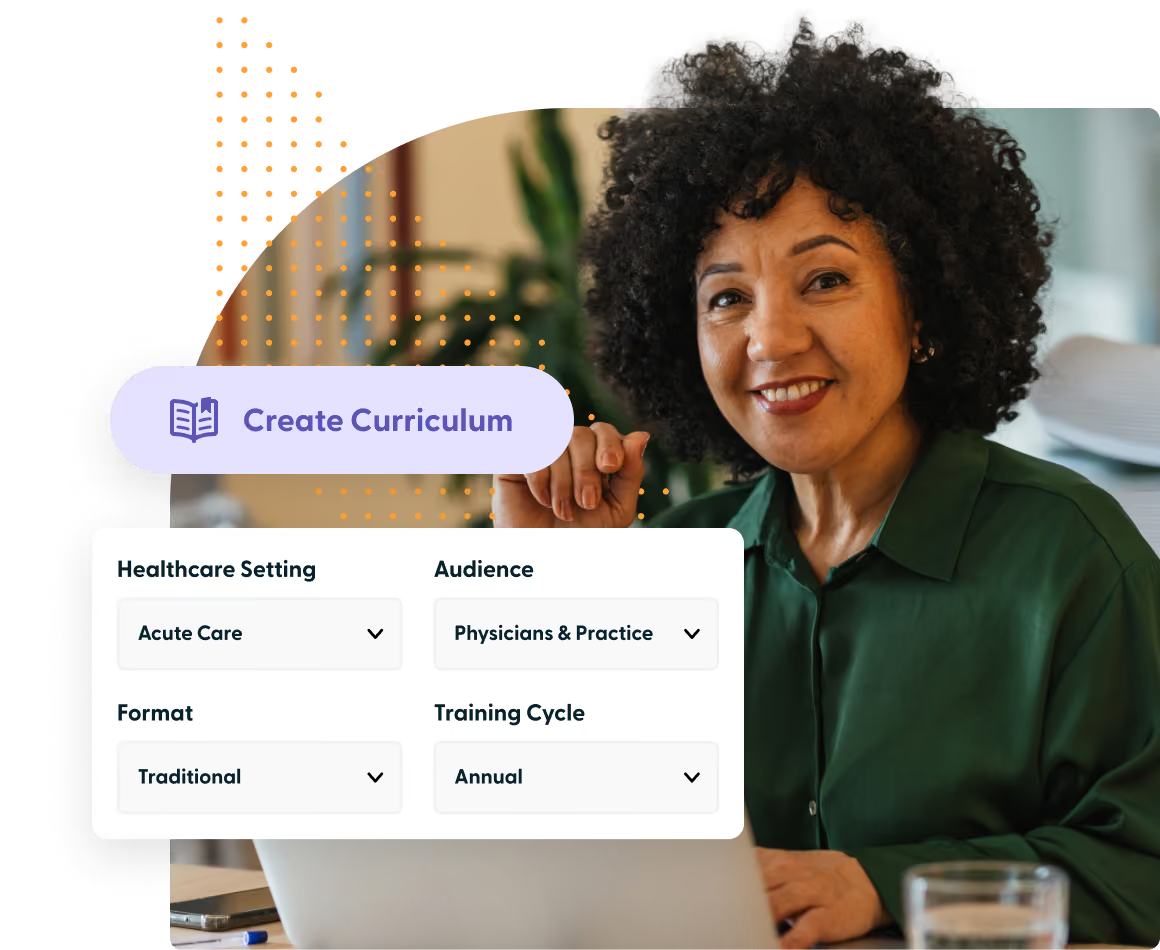
Role - and setting-specific compliance plans mapped and ready in minutes.

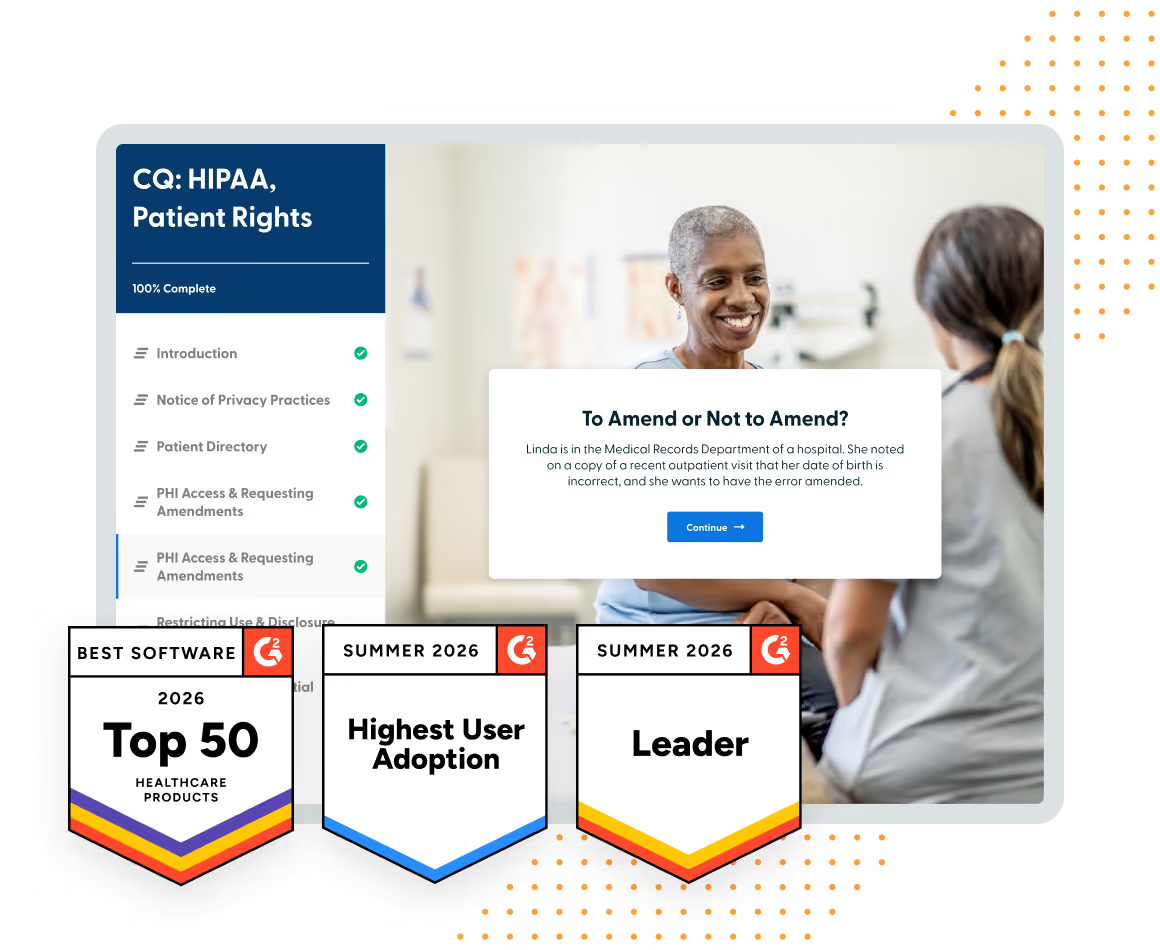
Engaging, compliant education with micro-learning, podcasts, infographics, plain-language design, and Spanish options.
.png)
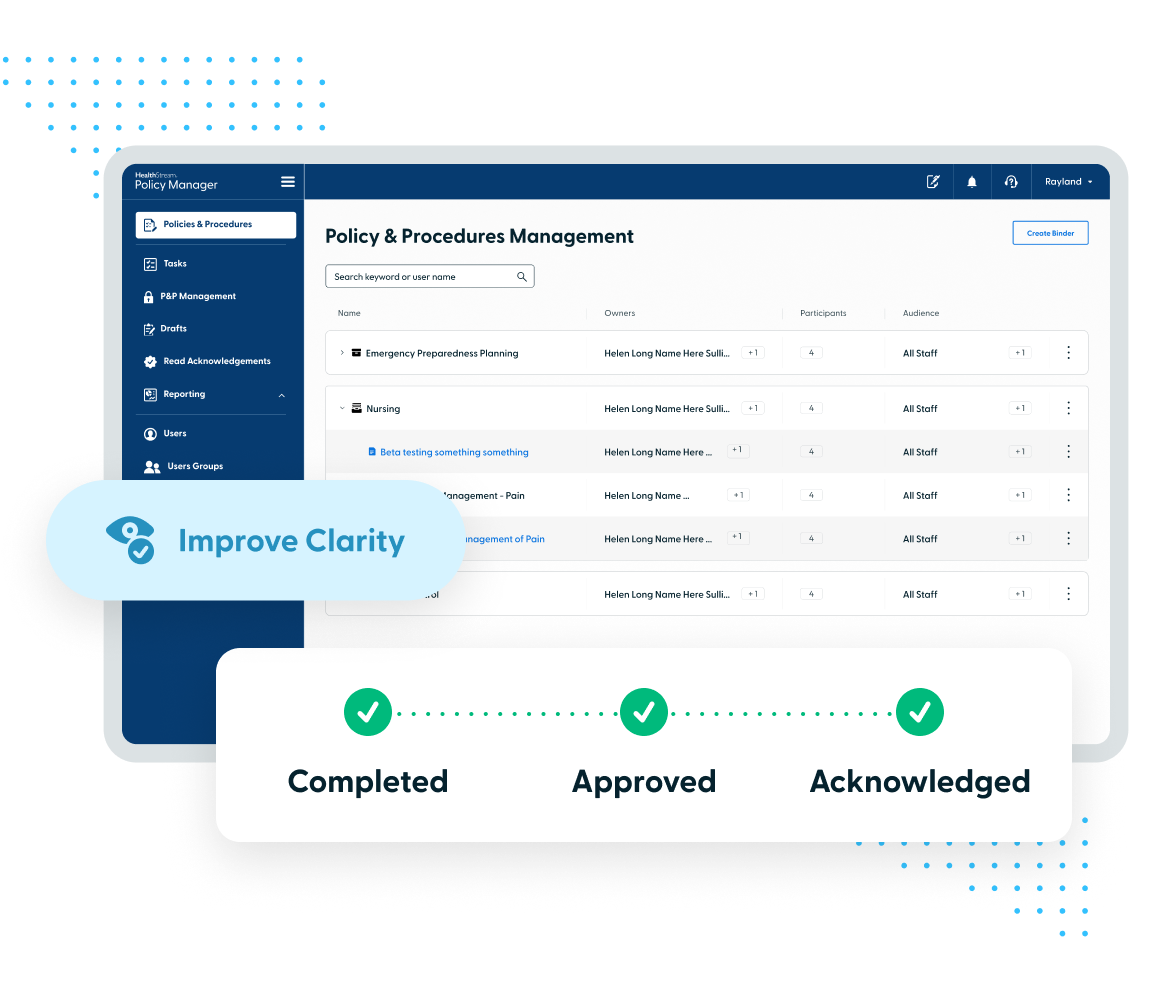
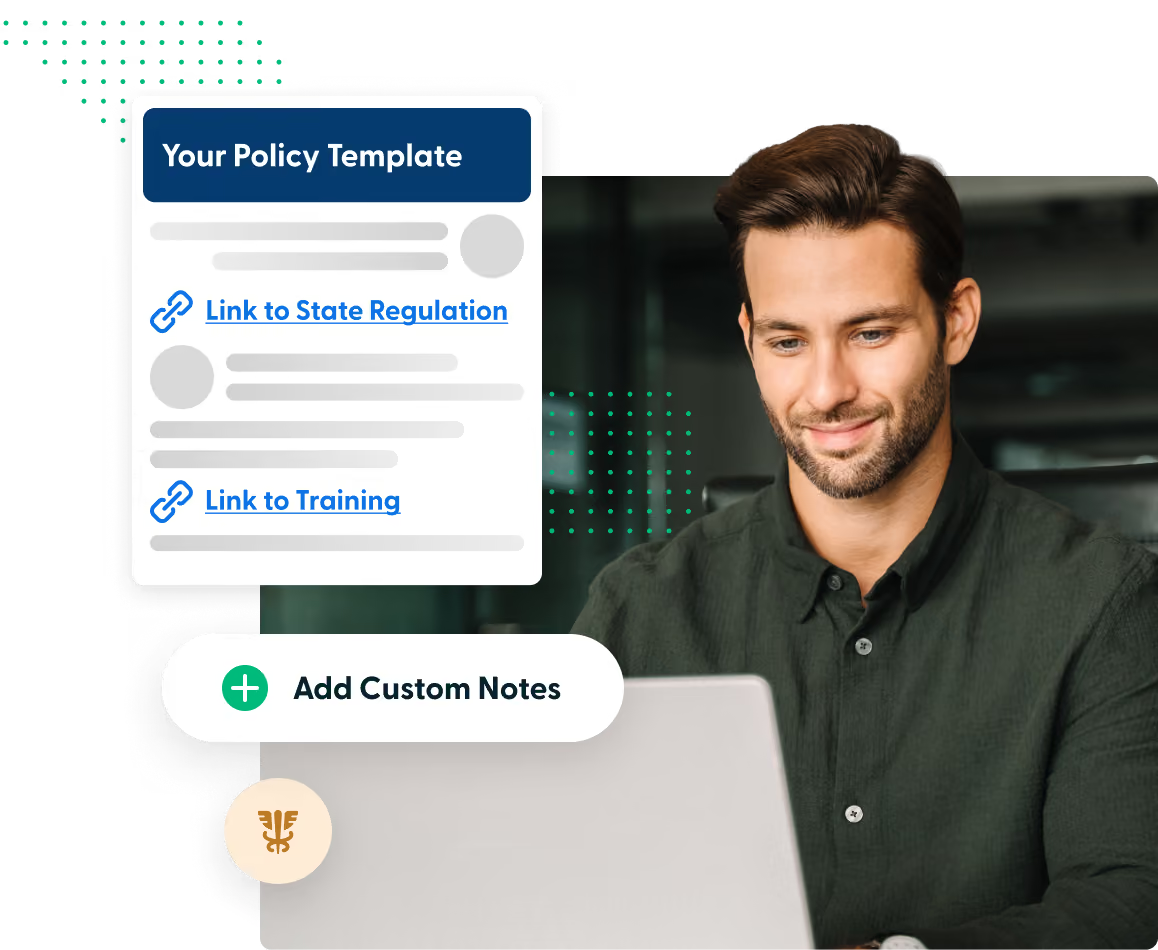
Keep policies moving with structured workflows, dynamic links, and full version control to support compliance and audit readiness.
.png)
Dynamically connect policies, training, regulations, contacts, videos, documents, and internal procedures directly into the user experience.





Our solution is designed to meet the unique needs of compliance teams, HR leaders, and all staff in healthcare.

Manage risk, automate audits, and ensure regulatory fulfillment

Simplify staff training, policy tracking, and onboarding

Connect policies to training and improve patient safety

Policy and education support for clinical and non-clinical teams
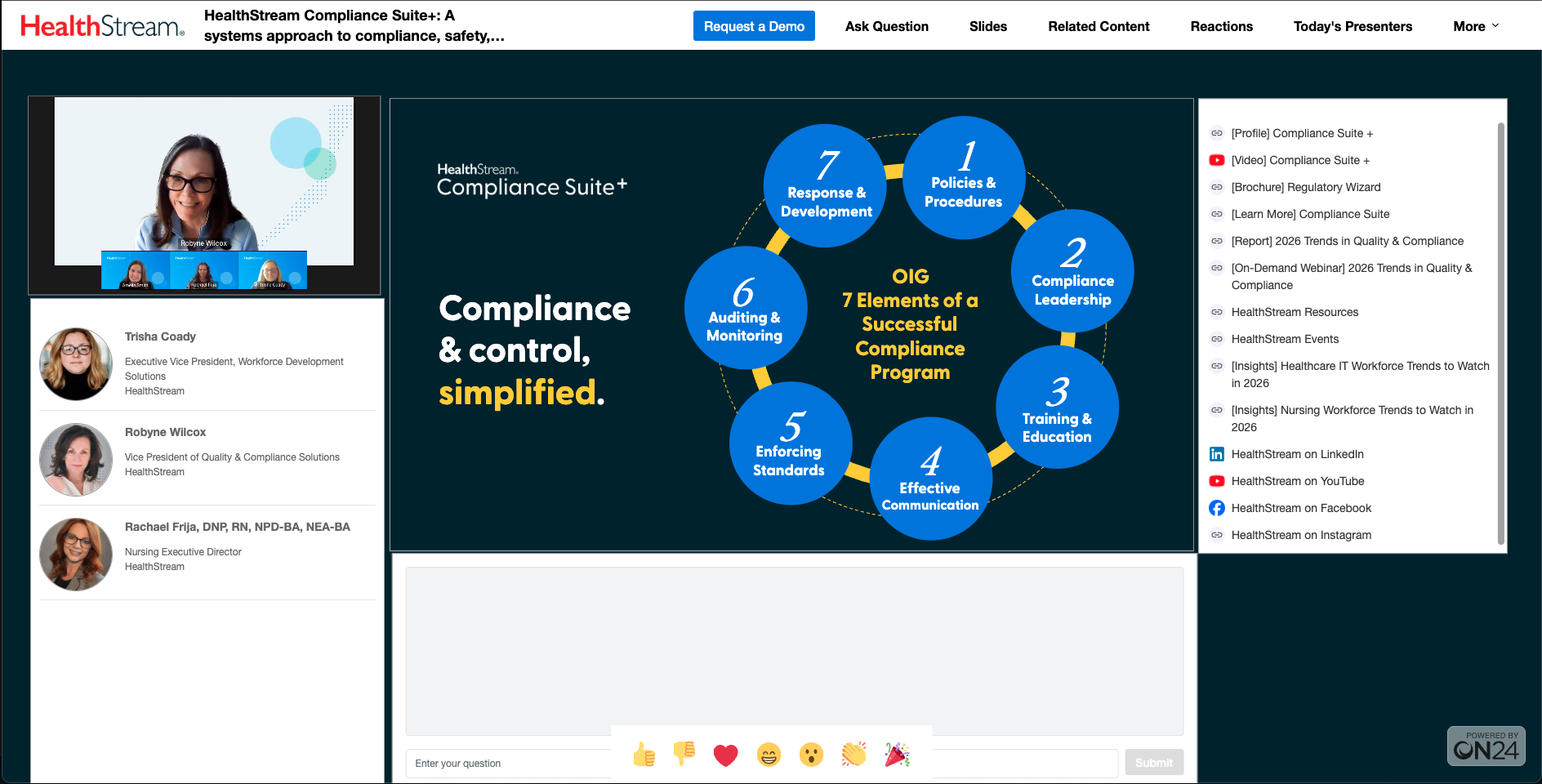
Learn how a systems approach can streamline compliance, automate policy workflows, reduce inefficiencies, and improve safety.
Experience compounding benefits with additional tailored solutions.
Bring it all together with seamless access to the largest healthcare content marketplace, exclusive applications, specialized tools, and significant subscriber discounts.
HIPAA, OSHA, CMS, and HHS regulations each address a different aspect of healthcare compliance. HIPAA focuses on protecting patient privacy and securing health information, which is why organizations often provide HIPAA training for healthcare staff and use HIPAA compliance software to support workforce education and documentation. OSHA regulations are designed to protect employee health and safety, including workplace hazards, infection prevention, and required safety practices, making OSHA regulatory updates and OSHA compliance healthcare activities important for maintaining a safe work environment. CMS establishes requirements tied to participation in Medicare and Medicaid programs, including quality, documentation, and workforce education standards, so organizations frequently manage CMS compliance education and monitor CMS regulations healthcare requirements as part of ongoing operations.
HHS is the federal department that oversees many healthcare regulatory programs, including HIPAA enforcement, and organizations often rely on an HHS regulatory compliance system to track changing requirements and maintain audit readiness. Because these regulations overlap, many healthcare organizations use a centralized healthcare regulatory compliance platform, Healthcare regulatory oversight tools, or a hospital compliance management platform to connect policy governance, training, reporting, and compliance tracking in one place. This integrated approach is especially valuable for hospitals, health systems, clinics, ambulatory centers, long-term care facilities, and other organizations that depend on Compliance training software for clinics, hospitals, etc to manage regulatory obligations across multiple departments and care settings.
Regulatory compliance in healthcare is the ongoing process of meeting federal, state, and accreditation requirements that help protect patients, support workforce safety, safeguard sensitive health information, and maintain eligibility for reimbursement. It includes developing and maintaining policies, assigning required education, documenting compliance activities, and staying current with evolving requirements from agencies such as CMS, OSHA, HHS, and state regulators. This is why organizations often rely on CMS compliance education, HIPAA training for healthcare staff, and processes that support OSHA compliance healthcare across every role and care setting.
As healthcare organizations grow, regulatory compliance becomes more than completing annual training—it requires coordinated oversight of policies, education, reporting, and regulatory updates across the enterprise. Many hospitals, health systems, clinics, and post-acute providers use a healthcare regulatory compliance platform or hospital compliance management platform to centralize compliance activities, automate workflows, and provide Healthcare regulatory oversight tools that improve accountability and audit readiness. Modern HIPAA compliance software and compliance training software for clinics, hospitals, and other healthcare providers can also help organizations stay aligned with CMS regulations healthcare, respond to OSHA regulatory updates, and support a comprehensive HHS regulatory compliance system while reducing administrative burden.
Healthcare organizations are expected to maintain written policies and procedures that reflect current federal and state regulations, accreditation standards, and organizational practices. While specific requirements vary by care setting and regulatory body, policies should be regularly reviewed, updated, version controlled, accessible to staff, and supported by documented education when changes affect workflows or patient care. A compliant policy management process is closely connected to HIPAA training for healthcare staff, CMS compliance education, OSHA compliance healthcare requirements, and evolving CMS regulations healthcare that impact clinical and operational teams.
A healthcare organization's policy system should do more than store documents—it should support governance, accountability, and audit readiness. Many organizations use a healthcare regulatory compliance platform or hospital compliance management platform to automate policy review and approval workflows, maintain version history, document staff acknowledgments, and connect policies with related education and regulatory resources. Integrated Healthcare regulatory oversight tools, HIPAA compliance software, and compliance training software for clinics, hospitals, and other healthcare providers help leaders demonstrate compliance, respond to OSHA regulatory updates, and maintain an effective HHS regulatory compliance system that keeps policies aligned with changing regulatory requirements.
Healthcare regulations are constantly evolving, requiring organizations to update policies, educate staff, and document compliance activities without disrupting daily operations. HealthStream's compliance system is designed to help healthcare organizations respond to regulatory change by connecting policy management, workforce education, and compliance oversight in a single healthcare regulatory compliance platform. Automated workflows, role-based learning assignments, and centralized reporting help organizations stay aligned with CMS regulations healthcare, OSHA regulatory updates, and HIPAA training for healthcare staff while reducing manual administrative effort.
Our solution also provides continuous regulatory monitoring, expert-curated guidance, and enterprise-wide visibility to help compliance leaders identify required actions and track progress across teams and facilities. As a unified hospital compliance management platform, it combines healthcare regulatory oversight tools and compliance training software for clinics, hospitals, and other healthcare providers to strengthen audit readiness and simplify ongoing regulatory compliance.
Effective policy management helps healthcare organizations demonstrate that policies are current, consistently applied, and communicated to the workforce. Audit readiness depends on more than storing documents—it requires documented version control, review and approval workflows, staff acknowledgments, and clear records showing when policies were updated and how employees were educated on changes. Connecting policy governance with CMS compliance education, HIPAA training for healthcare staff, and OSHA compliance healthcare activities also helps organizations maintain documentation that supports regulatory and accreditation requirements.
Many healthcare organizations improve audit readiness by using a healthcare regulatory compliance platform or hospital compliance management platform that centralizes policies, training, reporting, and compliance records. Integrated Healthcare regulatory oversight tools, HIPAA compliance software, and compliance training software for clinics, hospitals, and other healthcare providers provide real-time visibility into policy adoption, automate compliance workflows, and create audit-ready reporting that helps organizations respond to CMS regulations healthcare, OSHA regulatory updates, and broader HHS regulatory compliance system requirements with greater confidence.
Policy management reduces compliance risk by ensuring employees have access to current, approved policies and that organizations can consistently document policy reviews, updates, approvals, and staff acknowledgments. When policies are connected to required education and regulatory changes, healthcare organizations are better positioned to respond to evolving CMS regulations healthcare, implement HIPAA training for healthcare staff, and address OSHA regulatory updates before gaps become compliance issues. A structured policy governance process also helps reduce variation across departments, improve accountability, and support safer, more consistent care.
Many healthcare organizations use a healthcare regulatory compliance platform or hospital compliance management platform to automate policy workflows, centralize compliance documentation, and provide Healthcare regulatory oversight tools that improve visibility across the enterprise. Integrating HIPAA compliance software with compliance training software for clinics, hospitals, and other healthcare providers helps ensure policy changes are reinforced through education, tracked through reporting, and aligned with a comprehensive HHS regulatory compliance system, reducing administrative burden while strengthening regulatory compliance and audit readiness.
The onboarding timeline for HealthStream Compliance Suite varies based on factors such as your organization's authentication method, the number of users and locations, the volume of policies and documents being migrated, system integrations, and the availability of internal stakeholders. While every implementation is unique, many healthcare organizations plan for an implementation timeline of approximately 30 days, with adjustments based on project scope and organizational complexity. A structured implementation approach helps organizations configure their healthcare regulatory compliance platform, migrate existing content, and prepare administrators for day-to-day management.
Yes. HealthStream works with healthcare organizations of all sizes and across virtually every care setting. Our customers range from small, independent providers to large, multi-site health systems, with varying numbers of employees, locations, and years in operation. Whether you're supporting a single facility or a complex enterprise, regulatory compliance requires consistent policy governance, workforce education, and documentation to meet evolving federal and state requirements. A scalable healthcare regulatory compliance platform helps organizations standardize compliance processes while adapting to their unique operational needs.
HealthStream supports acute care hospitals, health systems, critical access hospitals, ambulatory surgery centers, physician groups, federally qualified health centers (FQHCs), behavioral health organizations, assisted living communities, long-term care facilities, skilled nursing facilities, home health agencies, hospice providers, and many other healthcare settings. This solution provides HIPAA training for healthcare staff, CMS compliance education, Healthcare regulatory oversight tools, and compliance training software for clinics, hospitals, and other healthcare providers to help organizations simplify compliance, stay aligned with CMS regulations healthcare, respond to OSHA regulatory updates, and manage regulatory requirements from a single hospital compliance management platform.
Yes. Compliance education should reflect your organization's policies, workflows, and regulatory requirements—not just generic content. While core compliance topics are developed and maintained by healthcare subject matter experts, organizations can tailor the learning experience by adding organization-specific information that reinforces local policies, procedures, contacts, and resources. This allows required HIPAA training for healthcare staff, CMS compliance education, and other regulatory education to remain consistent while incorporating the information employees need for their specific role, department, or care setting.
HealthStream's Smart Notes feature enables organizations to embed text, images, videos, links, documents, and other resources directly into courses, creating a more relevant learning experience without modifying the underlying course content. Organizations can also require learners to acknowledge they've reviewed organization-specific information before completing a course, helping document policy communication and reinforce compliance expectations. As part of a healthcare regulatory compliance platform, this approach helps connect education with policy governance, supports HIPAA compliance software and healthcare regulatory oversight tools, and enables compliance training software for clinics, hospitals, and other healthcare providers to adapt to changing CMS regulations healthcare, OSHA regulatory updates, and broader HHS regulatory compliance system requirements.
That’s great—and we fully support a blended approach to content creation. Many healthcare organizations develop some courses in-house to reflect internal policies, workflows, or specialized clinical practices, while also relying on standardized, expert-developed education for regulatory topics. The key is ensuring that all learning—whether built internally or externally—remains aligned with current CMS regulations healthcare, OSHA regulatory updates, and HIPAA training for healthcare staff requirements, and is consistently tracked and documented for compliance purposes.
HealthStream’s solution is designed to support both in-house and customer-created content within a single healthcare regulatory compliance platform, allowing organizations to centralize training, reduce duplication, and maintain visibility across all learning activities. Built-in healthcare regulatory oversight tools and HIPAA compliance software capabilities help ensure in-house courses can be assigned, version-controlled, and reported alongside standardized curriculum, while reinforcing enterprise-wide compliance through a unified hospital compliance management platform. This approach supports broader CMS compliance education goals and aligns with a comprehensive HHS regulatory compliance system, giving organizations flexibility without sacrificing audit readiness or consistency across compliance training software for clinics, hospitals, and other healthcare providers.
Yes. As healthcare regulations evolve, our courseware is continuously reviewed and updated to reflect the latest federal, state, and accreditation requirements. A dedicated team monitors changes across agencies such as CMS, OSHA, and HHS to ensure that updates are identified quickly and translated into relevant course revisions. This helps organizations maintain current HIPAA training for healthcare staff, stay aligned with OSHA regulatory updates, and support ongoing CMS compliance education without placing additional burden on internal teams.
Updates are communicated through regular regulatory change notifications, including newsletters that highlight new or revised requirements and identify impacted courses so organizations can take timely action. Within a healthcare regulatory compliance platform, these updates can be connected directly to assignments, policy changes, and reporting, helping ensure consistency across training and documentation. This integrated approach supports HIPAA compliance software, Healthcare regulatory oversight tools, and a broader hospital compliance management platform, enabling organizations to stay aligned with CMS regulations healthcare, maintain readiness for audits, and respond efficiently to changes within the HHS regulatory compliance system and broader compliance training software for clinics, hospitals, and other healthcare providers.
Yes. HealthStream Compliance Suite is designed to support the full continuum of care, including both acute and non-acute healthcare organizations. This includes ambulatory surgery centers, physician groups, federally qualified health centers (FQHCs), critical access hospitals, behavioral health organizations, home health agencies, hospice providers, long-term care and skilled nursing facilities, assisted living communities, laboratories, and other specialty care settings. Regardless of setting, organizations must meet consistent requirements for HIPAA training for healthcare staff, CMS compliance education, and OSHA compliance healthcare standards while maintaining clear documentation and oversight.
Because regulatory expectations apply across all care environments, a flexible healthcare regulatory compliance platform helps organizations standardize policy governance, training, and reporting while adapting to the unique workflows of each setting. HealthStream provides Healthcare regulatory oversight tools, HIPAA compliance software, and compliance training software for clinics, hospitals, and other healthcare providers that support consistent compliance with CMS regulations healthcare, ongoing response to OSHA regulatory updates, and alignment with broader HHS regulatory compliance system requirements—whether an organization operates a single site or across a complex, multi-setting enterprise.


The cost of compliance in the healthcare industry is a necessary investment to avoid the far-reaching consequences of non-compliance. While it might be tempting to create in-house training content to save costs, the risks often outweigh the benefits. \n\nProfessional compliance training solutions offer the expertise, consistency, and efficiency needed to ensure comprehensive and up-to-date compliance education. In the end, a proactive approach to compliance not only safeguards the organization from financial penalties but also upholds the trust and safety of the patients they serve. \n\nHealthStream’s ComplyQ and SafetyQ solutions offer the best of both worlds for compliance training and patient safety education, helping organizations reach competence and reduce risk.
Don’t leave your healthcare security to chance. Protect your organization through comprehensive cybersecurity training and robust policy management. Explore our tools and resources to learn actionable strategies for improving your security posture.\n\nWant tailored guidance? Contact us to explore how we can help safeguard your healthcare operations as part of a complete security solution. Together, we’ll create a secure environment that prioritizes patient safety and organizational success.
Continuing education and professional development directly impact employees’ knowledge, confidence, and job satisfaction, improving their performance. It may also be the key to creating a happier staff, given its significance to employee competence and confidence. If educational opportunities help improve employees’ happiness, it makes sense that such offerings would be beneficial to the company and its employees. Here, we take a look at a few ways in which this investment is worthwhile.
By adopting healthcare document management systems, organizations can enhance their interoperability, ensuring smoother operations, and better regulatory compliance. These strategies not only contribute to a more efficient workplace but also contribute to an environment of accountability and transparency while reducing risk and improving employee confidence.
HealthStream Compliance Suite brings policy management, training, and regulatory oversight together in one healthcare regulatory compliance platform so you can reduce complexity, improve accountability, and stay ahead of evolving requirements across CMS, OSHA, and HIPAA.




.png)
.png)