


.svg)
Healthcare leadership development & training
Build confident healthcare leaders at every level with targeted training, curated learning pathways, and practical skill development aligned with your organization’s goals.
.avif)
Build the leadership skills your healthcare organization needs
Develop leadership skills that strengthen performance, support retention, and prepare emerging talent for greater responsibility.

.png)
.svg)
Leadership development across every career stage
Equip emerging, new, and experienced healthcare leaders with flexible training, curated pathways, and practical tools designed for every stage of leadership.

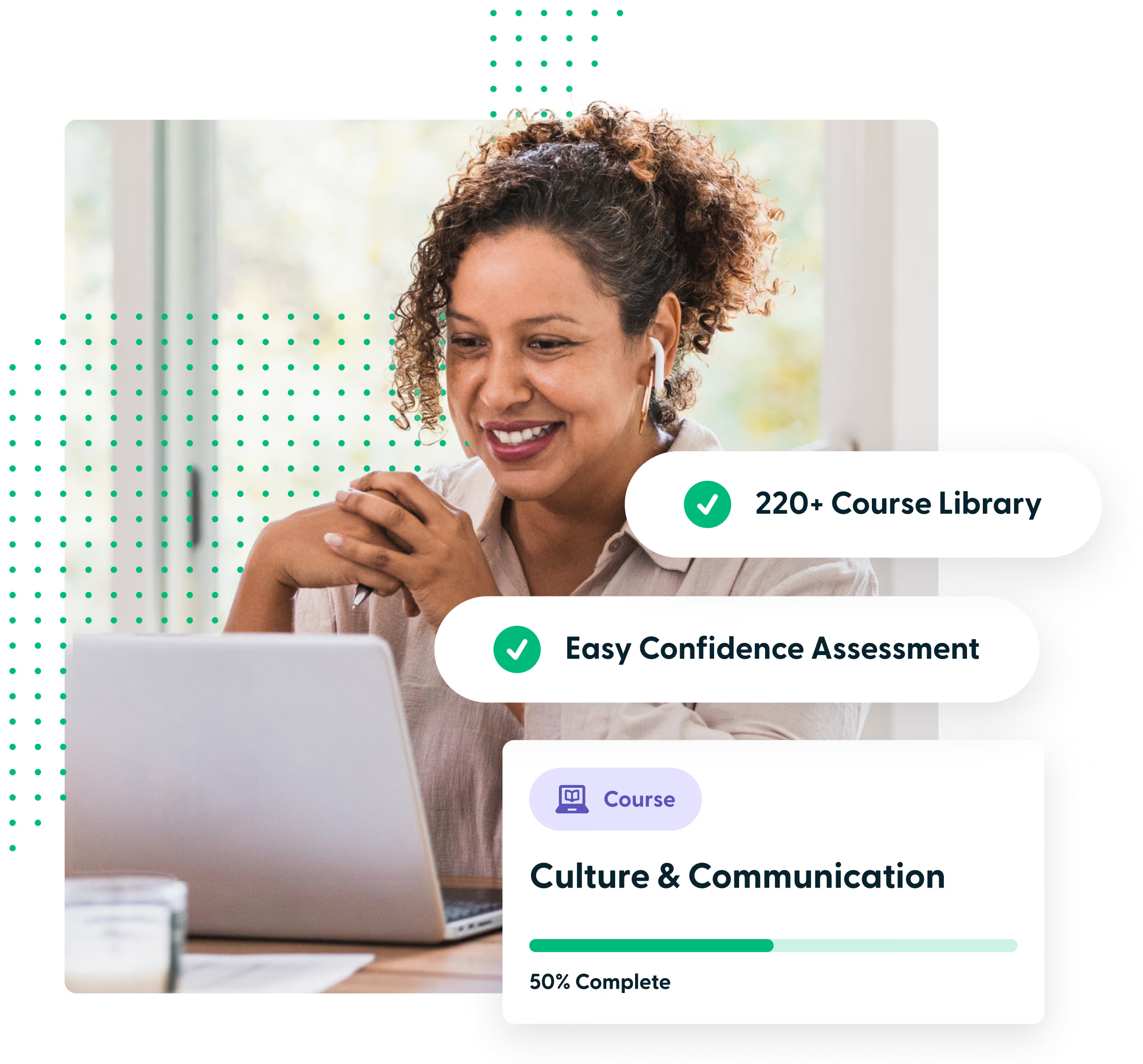
Identify skill gaps with a confidence assessment, then build critical healthcare leadership competencies with 220+ expert-led courses and flexible learning formats.
Reinforce learning with CAISY™, a conversational AI simulator that lets leaders practice realistic workplace scenarios and receive personalized feedback in a safe environment.
.avif)
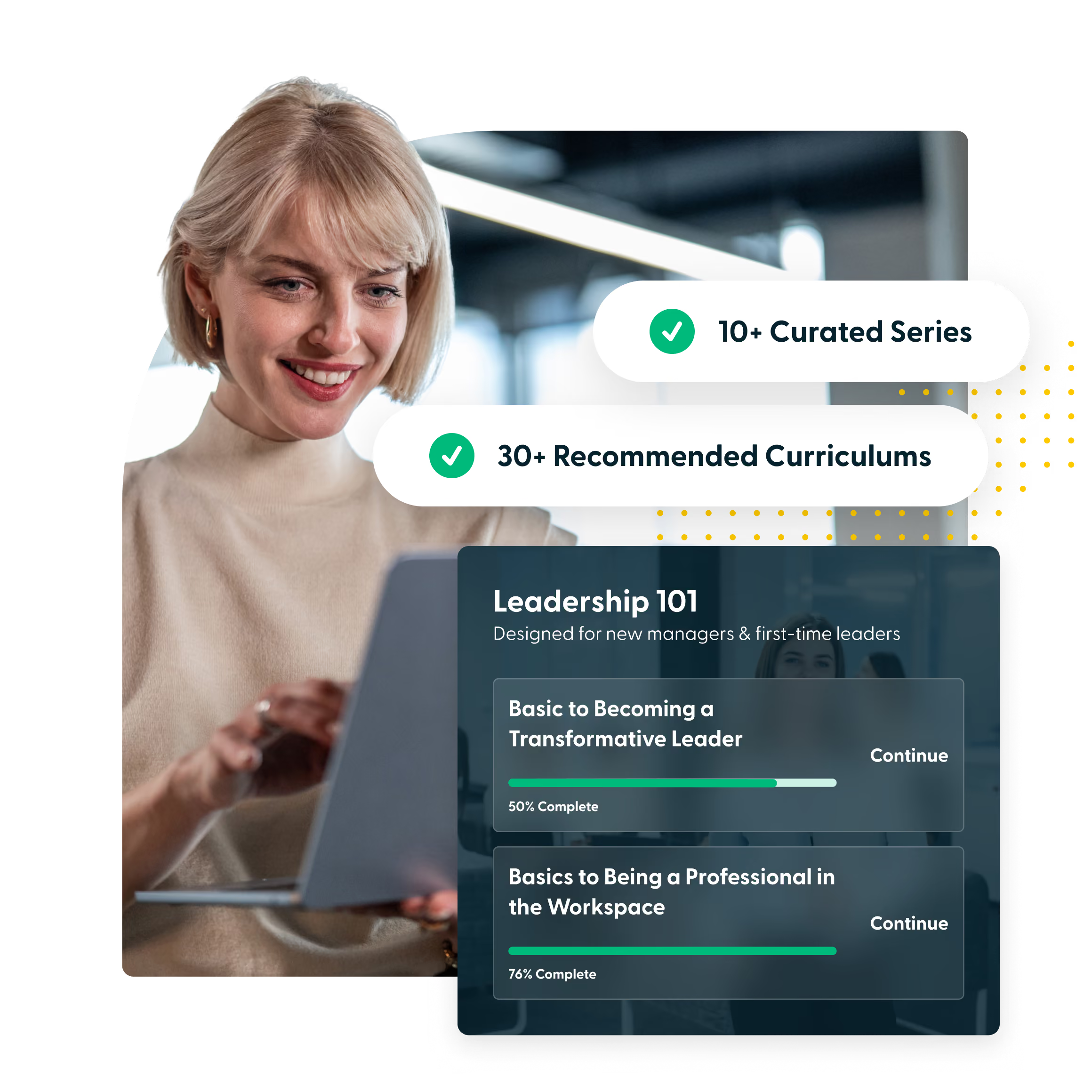
Choose from curated series and recommended curricula, or give leaders the flexibility to find relevant training and create a learning journey around their needs.
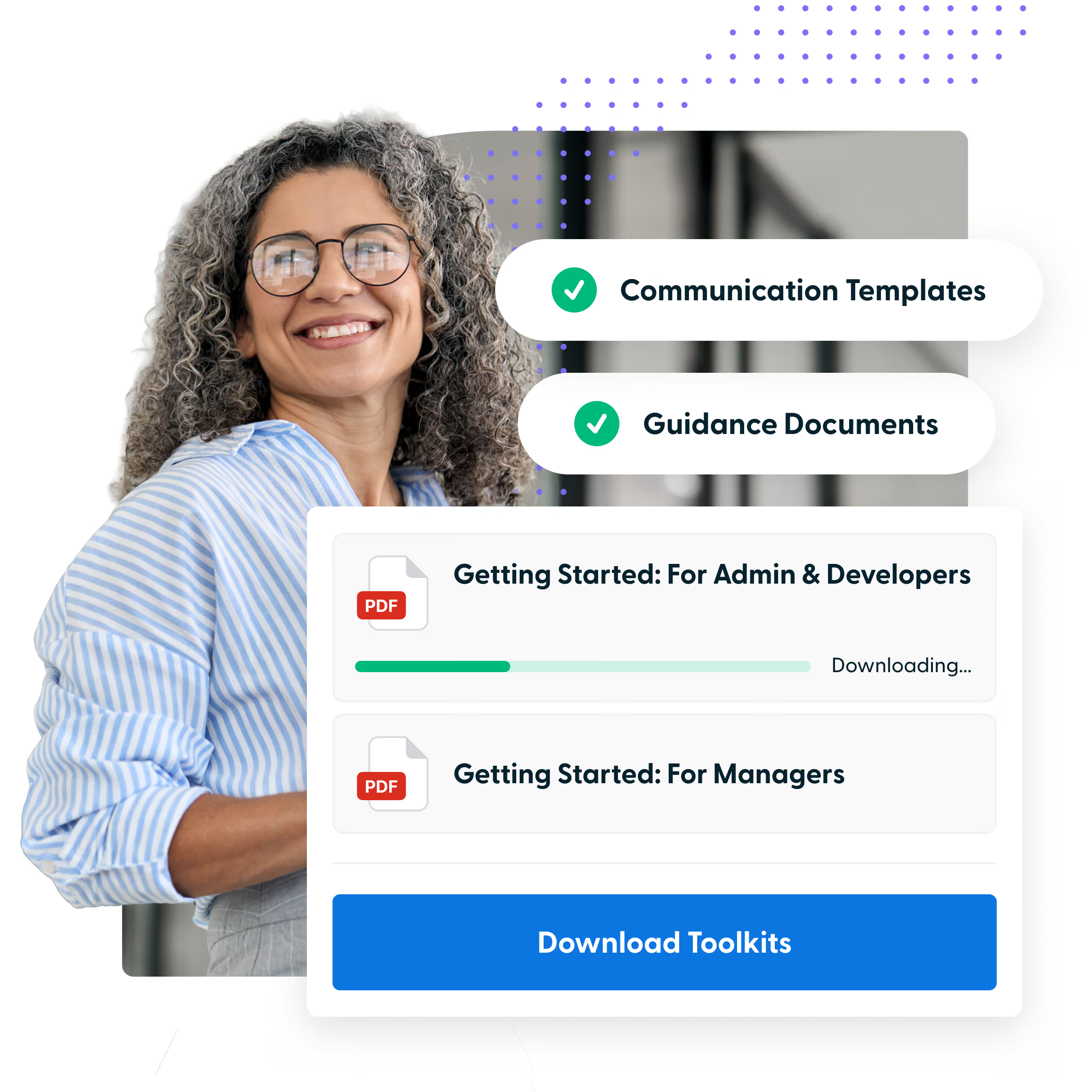
Simplify launch and adoption with a course recommendation guide, an onboarding success toolkit, and internal marketing and training resources.

Practice leadership conversations with CAISY™
Give healthcare leaders a safe space to practice challenging workplace conversations, build confidence, and receive real-time, personalized feedback.
Who uses Leadership Development?
Designed for emerging leaders, new managers, supervisors, and leaders at every level.
.avif)
New Leaders
Build confidence to lead with clarity and trust.
.avif)
Rising Leaders
Strengthen confidence to lead with greater responsibility.
.avif)
Established Leaders
Renew leadership skills to stay effective and inspired.
.avif)
Future Leaders
Create clear pathways to grow into leadership.
.avif)
Bridging generations through leadership development
See how Gritman Medical Center built flexible leadership training for new and seasoned employees.
Increase your impact
Experience compounding benefits with additional tailored solutions.
.avif)

.avif)
.svg)
Leadership Development—powered by hStream
Bring it all together with seamless access to the largest healthcare content marketplace, exclusive applications, specialized tools, and significant subscriber discounts.
Frequently asked questions
What is healthcare leadership development?
Healthcare leadership development is the process of building the skills healthcare professionals need to lead people, teams, and organizational initiatives effectively. Healthcare leadership training and education can support professionals at every career stage—from future and emerging leaders to new managers, supervisors, and experienced leaders—by strengthening competencies such as communication, accountability, coaching, conflict management, teamwork, change management, performance management, problem solving, and strategic leadership.
An effective healthcare leadership development program gives employees opportunities to build these skills through relevant healthcare leadership courses, structured learning pathways, and practical skill development. HealthStream Leadership Development provides 220+ courses aligned to essential healthcare leadership and professional development competencies, with flexible learning options that help organizations standardize leadership training, develop their leadership pipeline, support succession planning, and invest in the growth of their workforce.
Why is leadership training important in healthcare?
Leadership training is important in healthcare because leaders at every level influence workforce performance, employee engagement, organizational culture, and the ability to navigate change. As healthcare professionals take on greater responsibility, targeted healthcare leadership training helps them strengthen essential skills such as communication, coaching, accountability, conflict management, teamwork, performance management, problem solving, and change management.
Investing in healthcare leadership development also helps organizations prepare emerging and future leaders, strengthen their leadership pipeline, and create more consistent leadership practices across teams. A structured healthcare leadership development program can support employee growth and satisfaction, improve retention, prepare rising talent for greater responsibility, and give new and experienced healthcare managers the skills and ongoing education they need to lead effectively.
What skills should healthcare leaders develop?
Healthcare leaders should develop a broad mix of interpersonal, strategic, and operational skills that help them lead people and improve performance. Core healthcare leadership skills include communication, accountability, coaching, resilience, conflict management, teamwork, relationship building, influence, negotiation, service excellence, performance management, and workplace diversity. Leaders also benefit from developing skills in change management, innovation, problem solving, process improvement, quality, staffing, budgeting and finance, and project management.
The right healthcare leadership training should evolve as responsibilities grow. Future and emerging leaders may need foundational professional development and communication skills, while new healthcare managers and supervisors can build competencies for managing teams, coaching employees, and navigating change. More established leaders can continue developing strategic leadership skills that support organizational priorities, making ongoing healthcare leadership education an important part of leadership development at every career stage.
How do nurse managers benefit from leadership development?
Nurse managers benefit from leadership development by building the skills they need to lead clinical teams, manage performance, communicate effectively, and navigate the demands of healthcare leadership. Targeted leadership development for nurse managers can strengthen competencies such as communication, coaching, accountability, conflict management, resilience, teamwork, change management, problem solving, staffing, and performance management—all skills that support effective day-to-day leadership.
Healthcare leadership training can also help nurse managers grow with their responsibilities, whether they are transitioning into leadership or continuing to develop as experienced leaders. With healthcare leadership courses, curated learning pathways, and opportunities to practice real-world leadership skills, organizations can give nurse managers ongoing professional development while creating more consistent leadership practices, supporting employee satisfaction and retention, and strengthening the organization’s overall leadership pipeline.
What makes a healthcare leadership program effective?
An effective healthcare leadership program provides relevant, role-based development that meets leaders where they are and helps them build skills as their responsibilities evolve. Strong healthcare leadership development combines comprehensive healthcare leadership courses with curated learning pathways, flexible training options, and education aligned to essential competencies such as communication, coaching, accountability, change management, conflict management, performance management, and problem solving.
Effective healthcare leadership training should also make development practical and easy to apply. Features such as skills assessments, recommended curricula, realistic practice scenarios, personalized feedback, and flexible learning journeys can help healthcare organizations identify development needs and support leaders at every career stage. By standardizing leadership education while allowing for individual development, healthcare organizations can strengthen their leadership pipeline, support succession planning, improve performance, and invest in employee growth and retention.
How often should healthcare leaders receive training?
Healthcare leaders should receive leadership training on an ongoing basis rather than treating development as a one-time event. Leadership responsibilities evolve throughout a healthcare professional’s career, from preparing future and emerging leaders to supporting new managers, supervisors, and established leaders. Continuous healthcare leadership development gives employees opportunities to strengthen essential competencies such as communication, coaching, accountability, conflict management, change management, performance management, and problem solving as new needs arise.
Healthcare organizations can support ongoing leadership development by providing flexible access to healthcare leadership courses, curated learning pathways, and targeted professional development at every career stage. Rather than relying on a single training milestone, continuous healthcare leadership education allows employees to build new skills, address individual development needs, prepare for greater responsibility, and stay aligned with organizational initiatives—while helping healthcare organizations strengthen performance, retention, succession planning, and their leadership pipeline.
Can leadership development improve employee retention?
Yes. Leadership development can support employee retention by showing healthcare professionals that their organization is invested in their growth, skills, and long-term career development. Healthcare leadership training creates opportunities for future and emerging leaders, new managers, supervisors, and established leaders to build competencies, prepare for greater responsibility, and continue developing throughout their careers.
A structured healthcare leadership development program can also help organizations strengthen employee satisfaction, create clearer pathways for professional growth, and build a stronger internal leadership pipeline. By providing ongoing access to healthcare leadership courses, curated learning pathways, and targeted skill development, healthcare organizations can develop existing talent, prepare rising leaders for future roles, and support workforce retention while strengthening organizational performance.
Does leadership training improve patient outcomes?
Leadership training can support better patient outcomes by helping healthcare leaders strengthen the skills they need to guide teams, improve performance, and reinforce organizational priorities. Healthcare leadership development builds competencies such as communication, coaching, accountability, teamwork, problem solving, process improvement, quality, and change management—all of which can help leaders create stronger, more effective healthcare teams.
While leadership training alone does not determine patient outcomes, effective healthcare leadership can strengthen the workforce and operational practices that contribute to high-quality care. By providing ongoing healthcare leadership education, healthcare organizations can equip clinical and non-clinical leaders to manage performance, support employees, navigate change, and advance quality initiatives, creating an environment where both healthcare professionals and the patients they serve can benefit.


LGBTQ+ Resources For Healthcare Organizations: Building Inclusive Care and Workplace Cultures
Inclusive healthcare environments are shaped by everyday interactions, clear communication, and a steady commitment to learning. When organizations invest in building understanding and supporting their teams, they create spaces where LGBTQ+ patients and staff can feel respected and supported. This guide highlights practical ways healthcare organizations can strengthen inclusive care and workplace cultures, with a focus on education, leadership, and trusted resources that support lasting progress.
Closing the Gap: Using Quality Management and Culture Education to Tackle Healthcare Disparities
Healthcare disparities aren’t new, but they are increasingly impossible to ignore. From uneven outcomes in chronic disease to unequal access to care, these gaps in the healthcare system impact not only patients but also the providers who care for them. Cultural factors often deepen these divides, with language barriers, mistrust of the medical system, traditional health beliefs, and differing attitudes toward care all playing a role.
Build stronger healthcare leaders at every level
Develop confident healthcare leaders with leadership development and training while strengthening your workforce and leadership pipeline.
- Improve workforce retention
- Strengthen organizational performance
- Build a sustainable leadership pipeline